Digital Brix Refractometer SW-592 | Colostrum Testing | Hoofit
$145.00
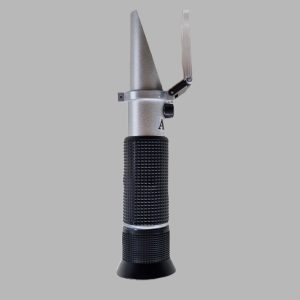
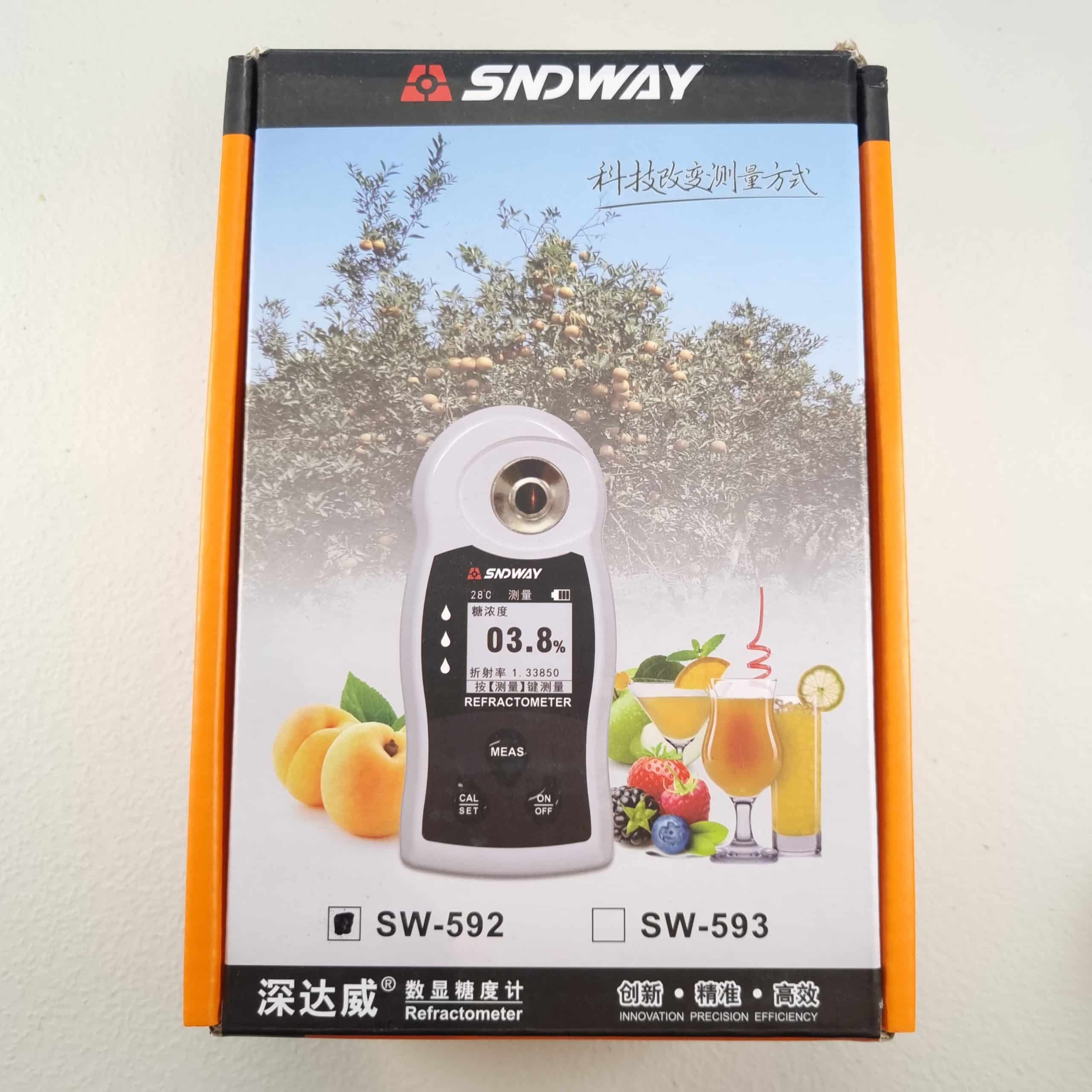
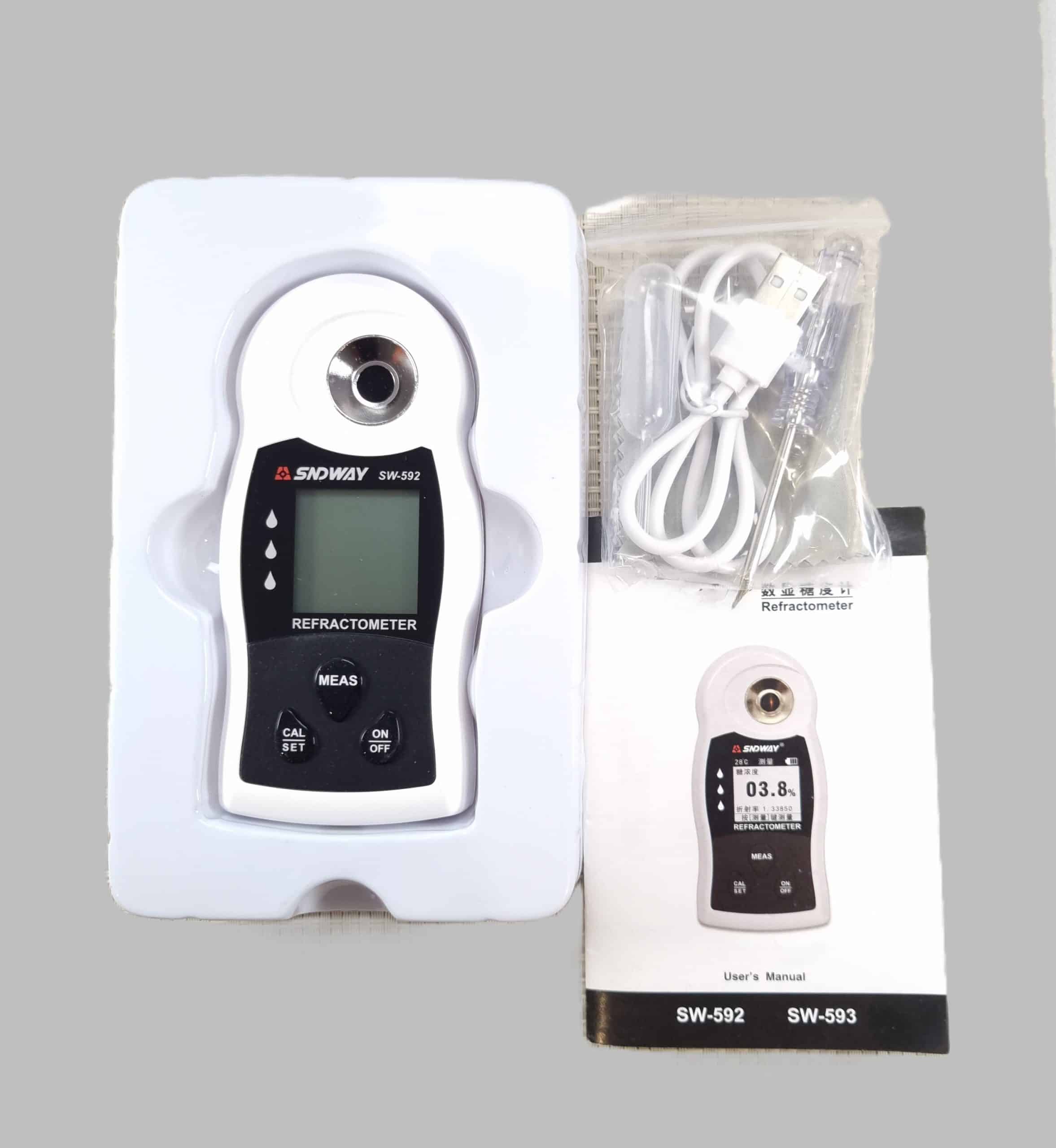
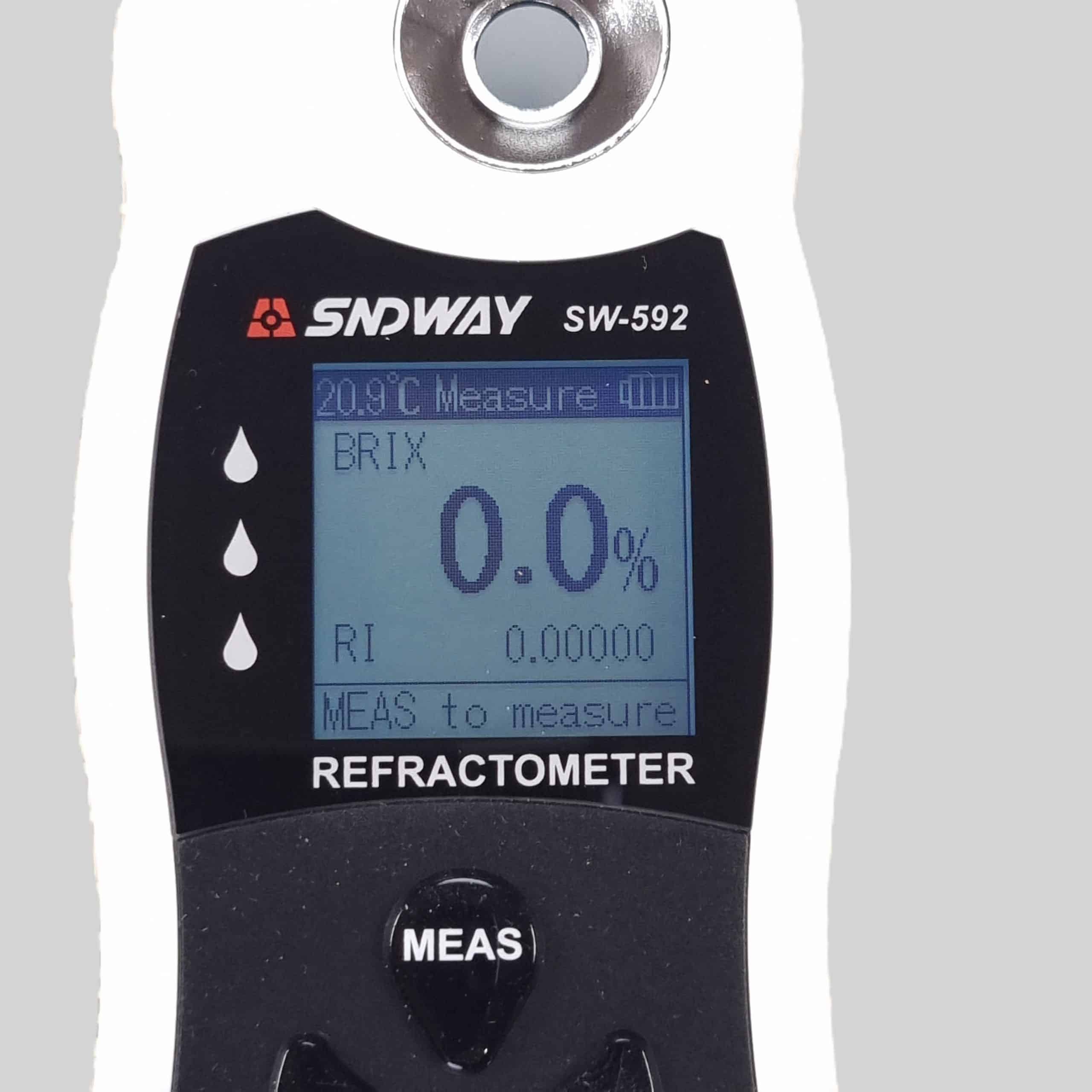
A digital Brix refractometer for fast, accurate colostrum quality testing on dairy farms. Readings in seconds, automatic temperature compensation, no guesswork at calving time.
More product details
KEY FEATURES:
- Reads Brix % directly — use the 22% threshold for colostrum quality assessment
- Automatic temperature compensation removes seasonal measurement error
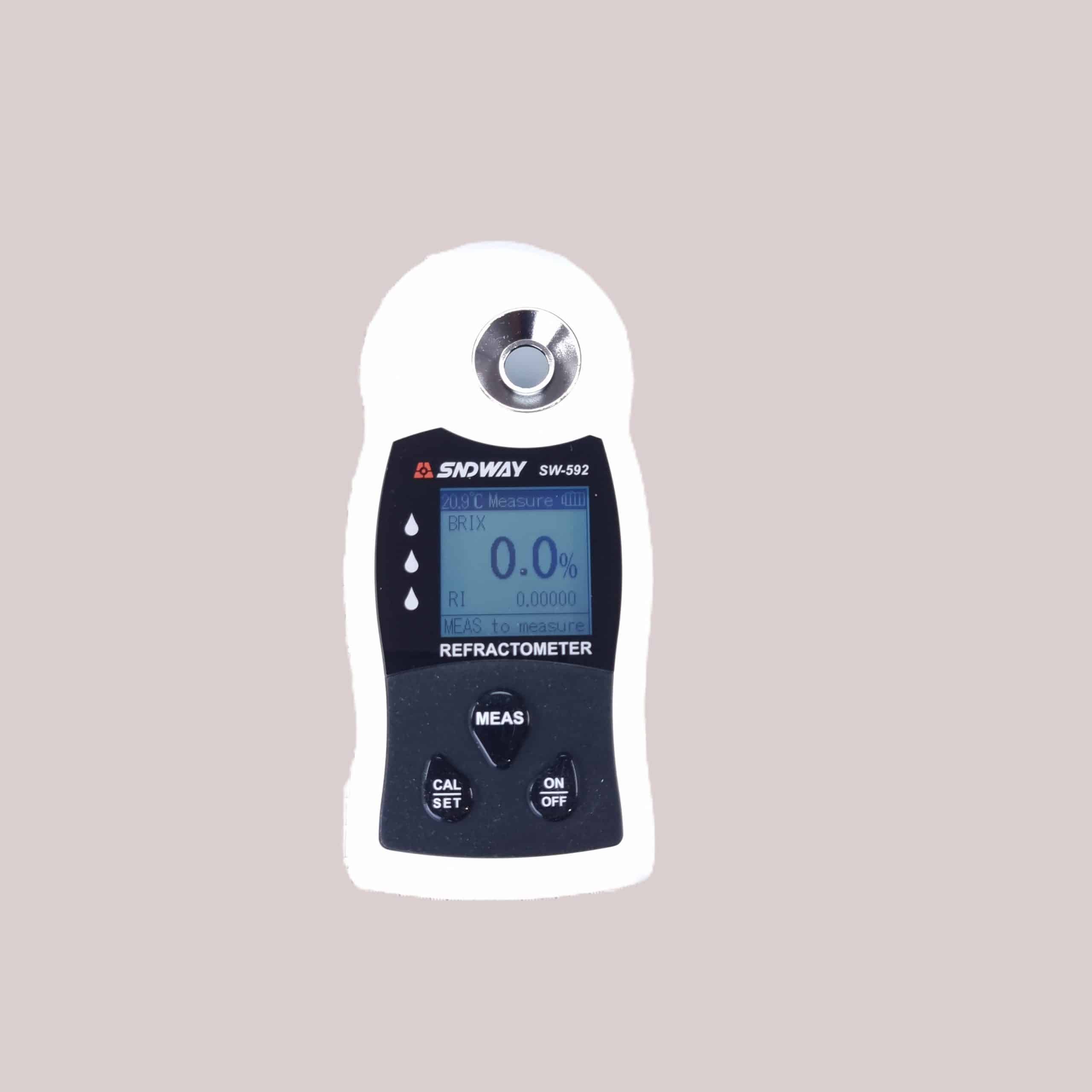
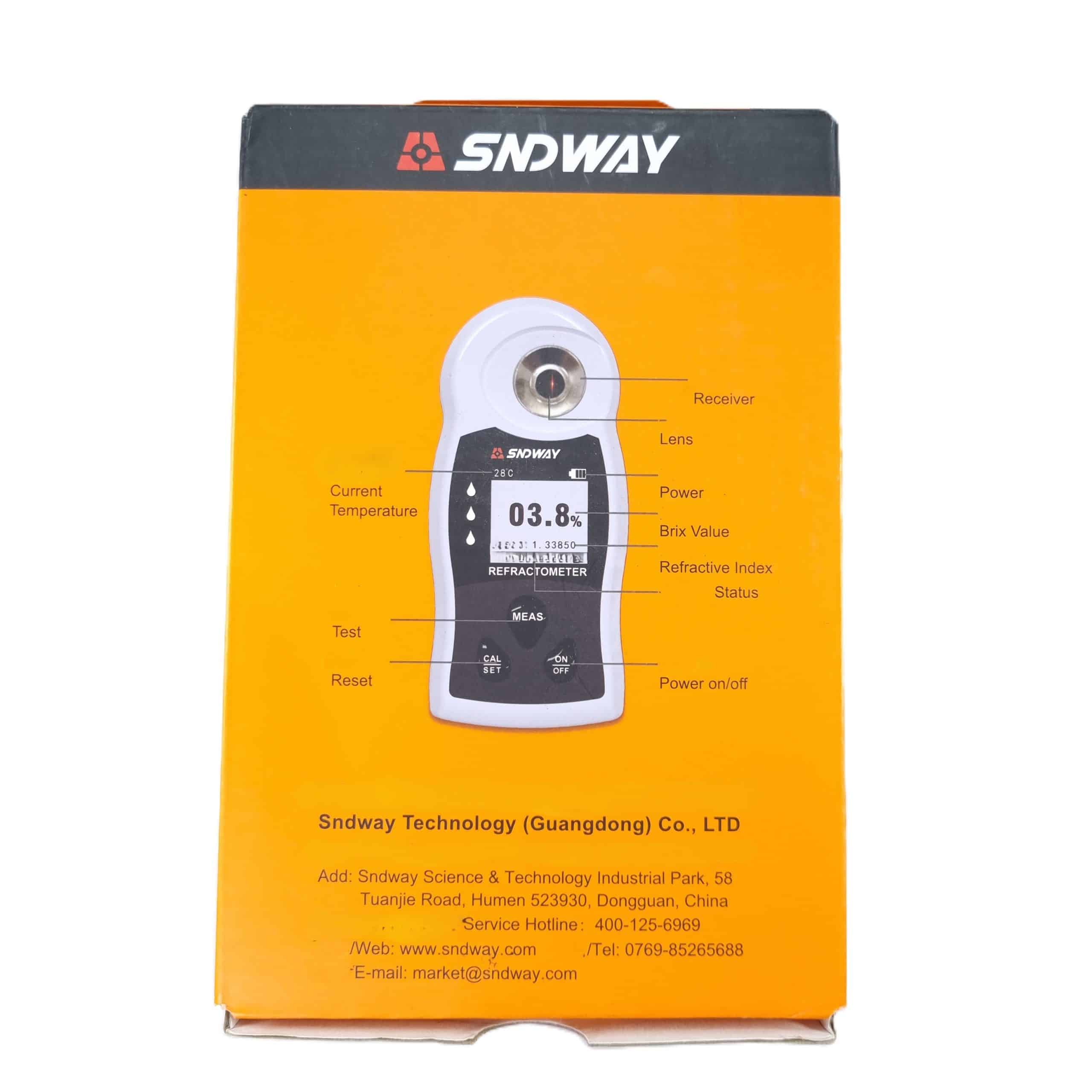
- Backlit display, three reading modes — usable in low-light calf sheds
- Resolution to 0.1% Brix with high-transmittance optical prism
- One-button calibration with distilled water — quick to set up at the start of calving
- Suits colostrum, milk replacer mixing, fruit Brix and general sugar testing
BENEFITS / DESCRIPTION:
The Digital Brix Refractometer (SW-592) is a handheld instrument for measuring sugar content in liquids — and on a dairy farm, its highest-value use is checking colostrum quality before it goes into a newborn calf. Brix refractometry is the most widely used on-farm method for assessing colostrum, with a reading of 22% or above indicating high-quality colostrum suitable for first feeds. Below 18%, the colostrum should be discarded. Between 18% and 22%, supplementation should be considered. This single test, done in under a minute per cow, has a measurable impact on calf survival and lifetime productivity.
The SW-592 uses a high-transmittance optical prism and built-in temperature compensation, so a sample taken on a 5°C winter morning reads the same as one taken on a 35°C summer afternoon. Calibration is a single-button reset with distilled water — usually done once at the start of calving and re-checked weekly. The backlit display works in dim calf sheds and milking pits where most colostrum testing actually happens. Beyond colostrum, the refractometer is also useful for checking milk replacer mixing solids, calf electrolyte concentrations, and any other Brix or sugar-content measurement around the farm.
Hoofit ships the SW-592 from Mount Compass on the Fleurieu Peninsula. We’re a dairy farming family — we use the same kit on our own herd before we sell it. If you’re rearing calves and not testing colostrum, this is one of the highest-return pieces of equipment you can add to your calving setup.
SPECIFICATIONS:
| Spec | Value |
|---|---|
| Measurement type | Digital Brix refractometer |
| Brix range | 0–55% (covers all colostrum and milk replacer applications) |
| Resolution | 0.1% Brix |
| Temperature compensation | Automatic (ATC) |
| Display | Backlit LCD, three reading modes |
| Calibration | One-button, distilled water |
| Sample size | 2–3 drops |
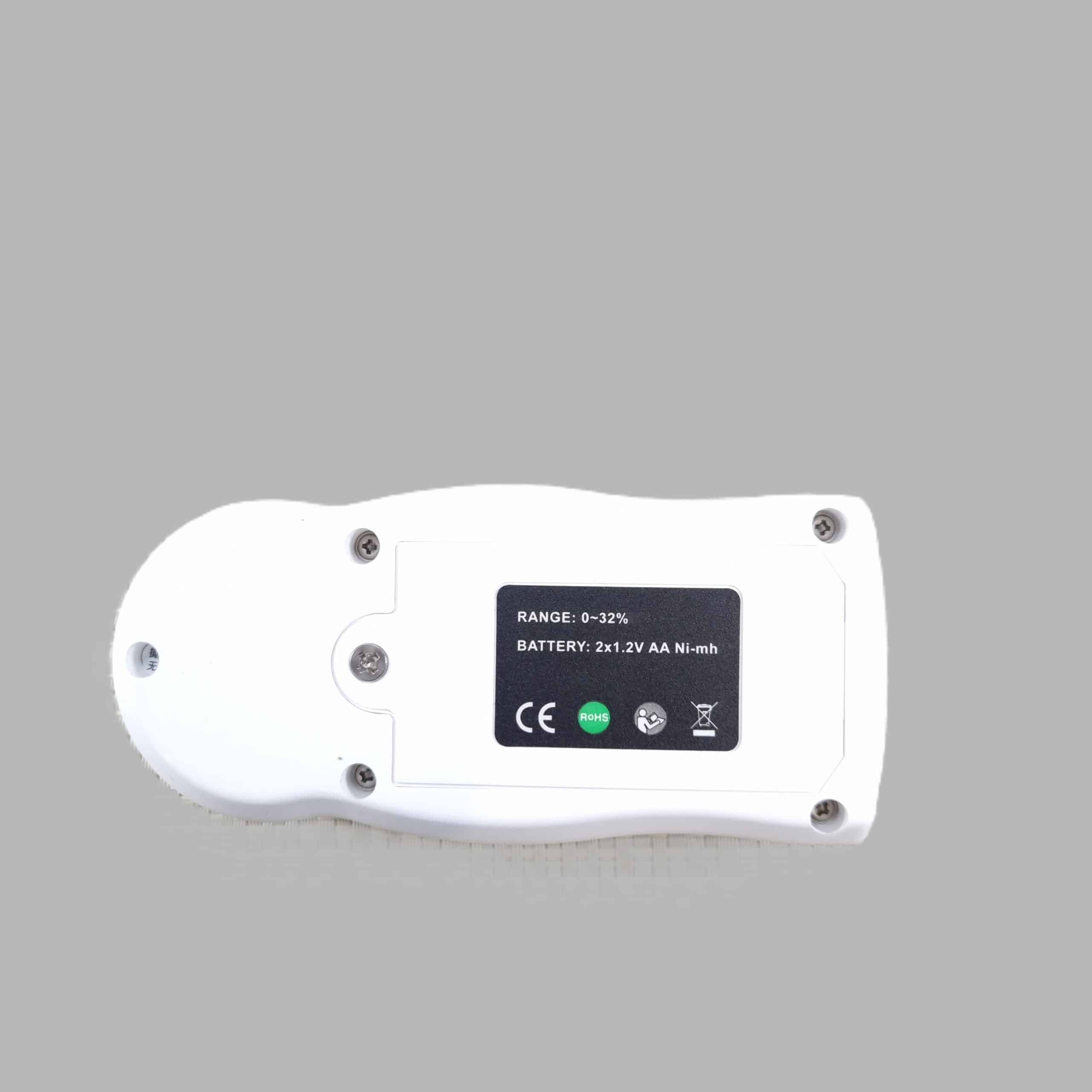
| Power | Rechargeable |
| Manufacturer | SNDWAY (model SW-592) |
| Country of origin | Imported, supplied by Hoofit Australia |
FREQUENTLY ASKED QUESTIONS:
How do I use a Brix refractometer to check colostrum quality?
Place 2–3 drops of fresh colostrum on the prism, close the cover, and press measure. A reading of 22% Brix or higher means the colostrum is good quality and suitable for first feeds. Below 18% should be discarded; between 18–22%, consider supplementing with stored colostrum or a colostrum replacer. The whole test takes under a minute.
What Brix reading is good colostrum for newborn calves?
22% Brix or above is the industry-recognised threshold for good quality colostrum, corresponding to roughly 50 g/L of IgG — the level needed for successful passive transfer of immunity to the calf. This threshold is supported by multiple peer-reviewed studies and is used on dairy farms worldwide.
Can I use this refractometer for things other than colostrum?
Yes. The 0–55% Brix range covers milk replacer mixing checks, calf electrolytes, fruit and beverage Brix, honey, syrups, and most general sugar-content measurements. It is a useful tool to keep on a mixed dairy operation beyond the calving season.
Does it need calibration before every use?
No — calibrate once at the start of calving with distilled water, then re-check weekly or if you suspect drift. Auto temperature compensation handles seasonal and daily temperature variation, so you do not need to recalibrate for shed conditions.
How does this compare to an optical (manual) refractometer?
Both work for colostrum testing and give comparable results — research shows correlation of r=0.97–0.98 between optical and digital Brix refractometers. The digital version is faster, easier to read in low light, and removes user error from interpreting the optical scale. If you are testing more than a handful of cows per season, digital is worth the upgrade.