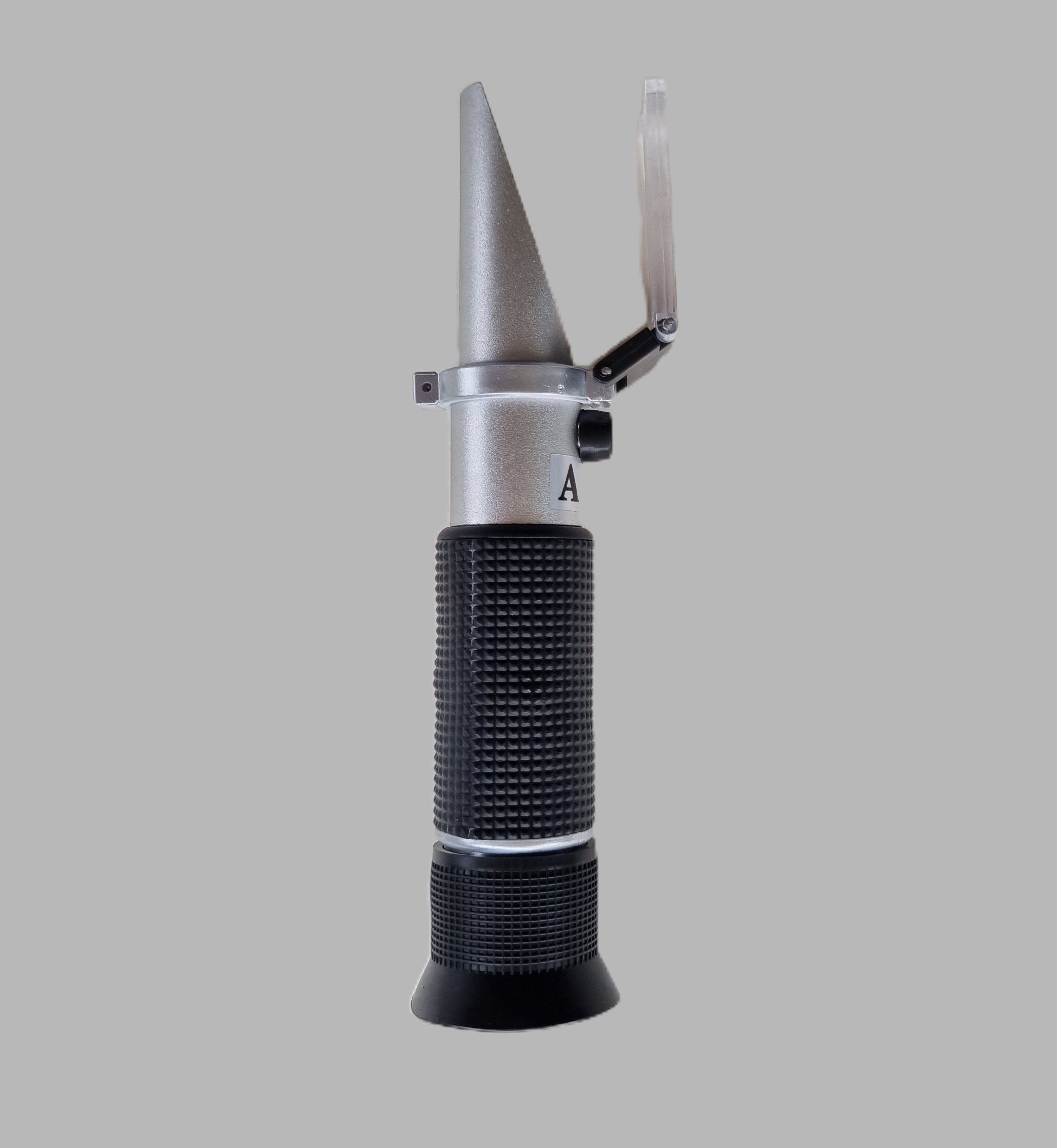
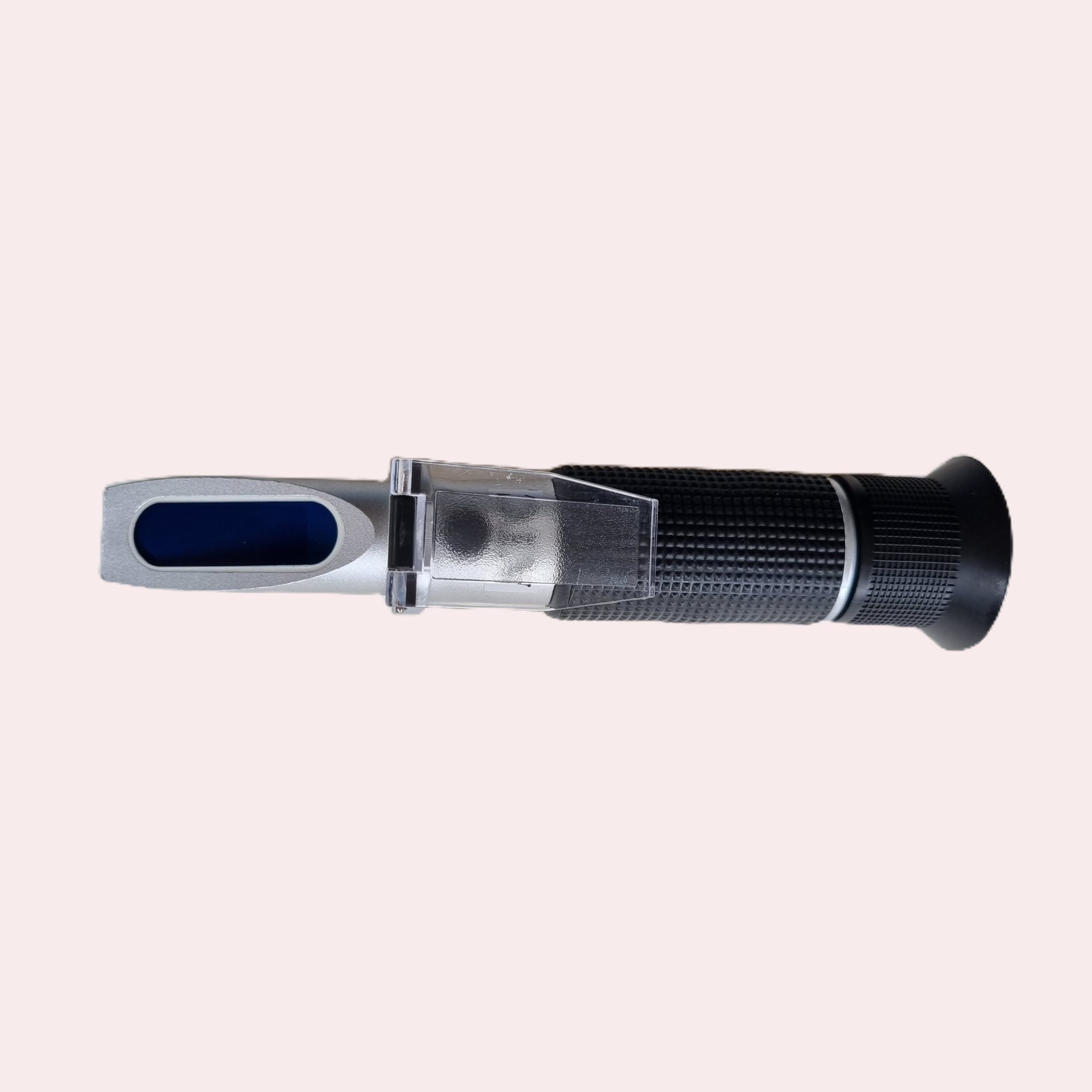
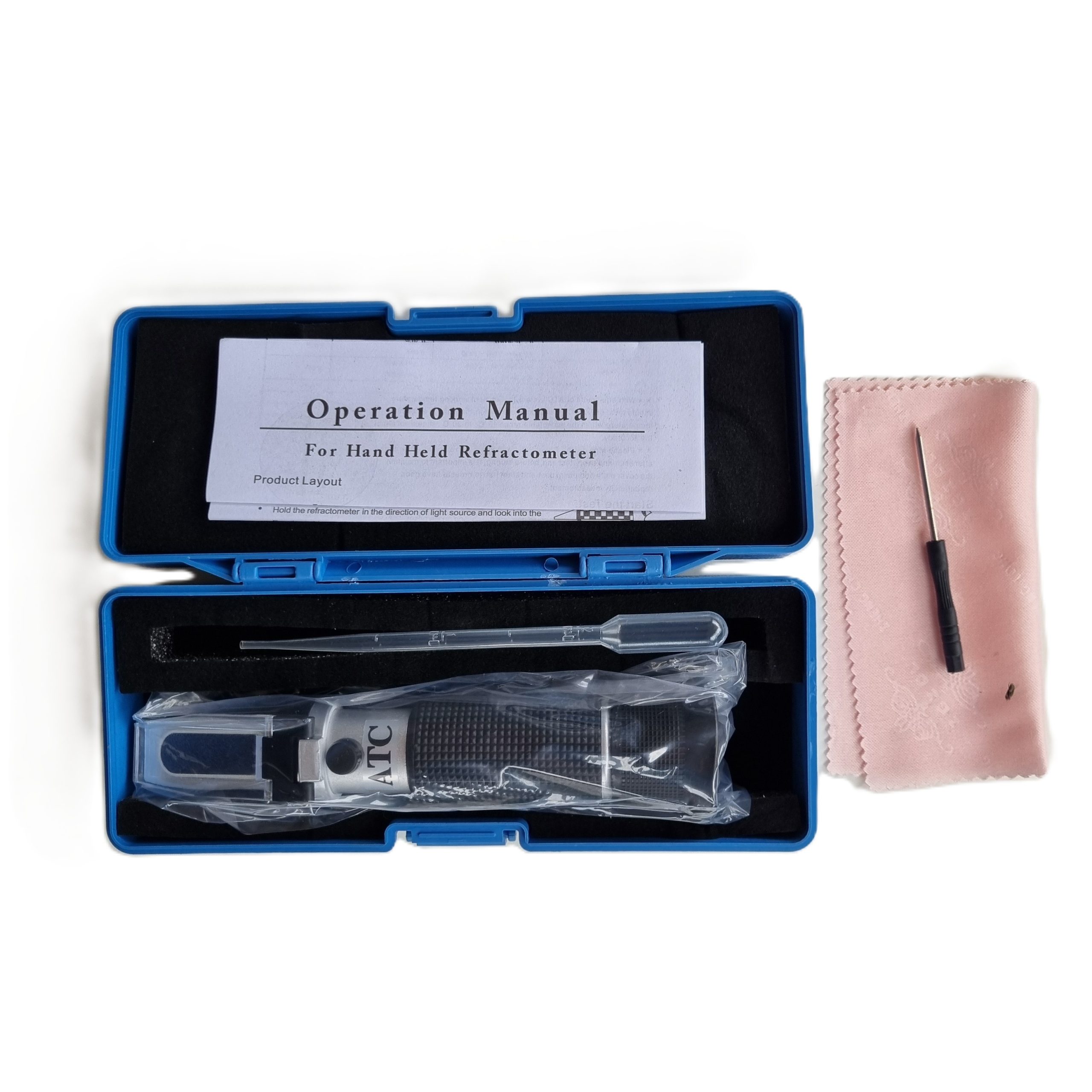
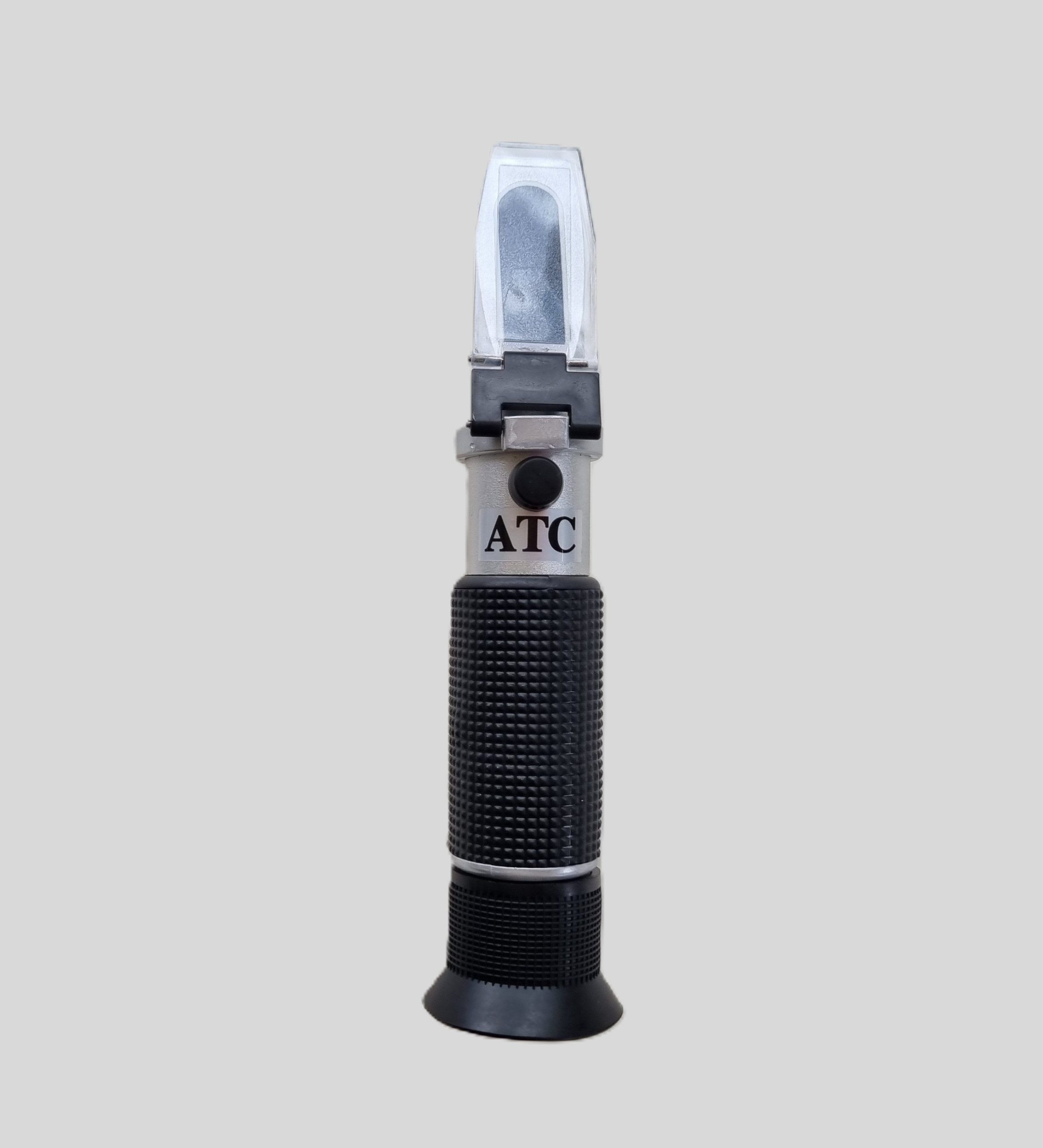
Handheld Analog Brix Refractometer (0–32% ATC)
$48.00
A handheld analog Brix refractometer with automatic temperature compensation, 0–32% range — covers all colostrum testing applications. Lower-cost alternative to the digital model.
More product details
KEY FEATURES:
- 0–32% Brix range — covers all colostrum quality testing
- Automatic temperature compensation (ATC) — accurate across 10–30°C
- Optical (analog) reading — no battery required
- Ruggedised handheld design — built for farm conditions
- Lower-cost alternative to the digital Brix refractometer
- Ships from Mount Compass on the Fleurieu Peninsula
BENEFITS / DESCRIPTION:
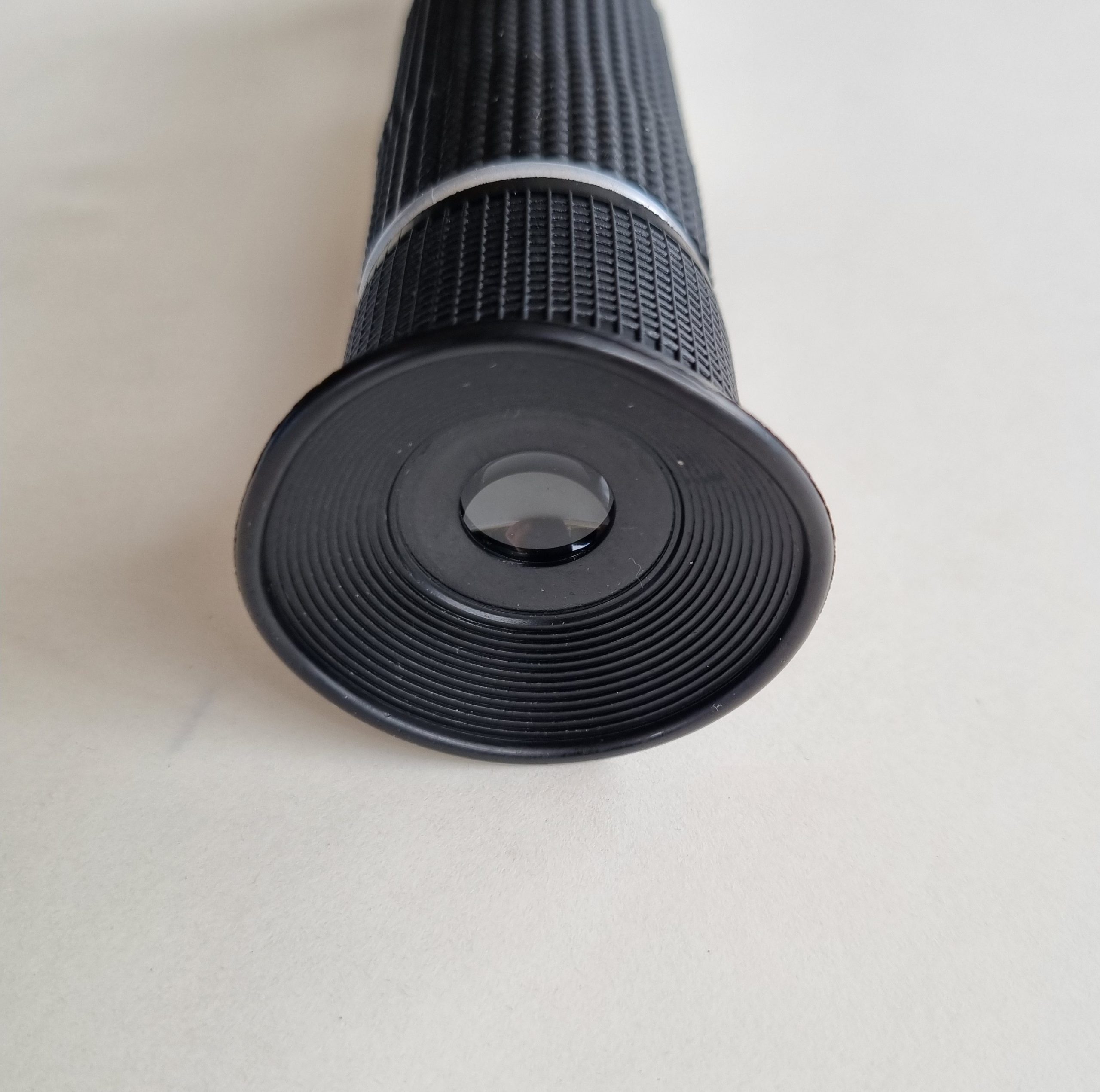
The analog Brix refractometer is the lower-cost option for colostrum quality testing on dairy farms. You place 2–3 drops of colostrum on the prism, hold the refractometer up to the light, and read the Brix percentage off the internal scale through the eyepiece. The 22% threshold for “good quality” colostrum applies the same as it does on the digital version — research shows analog and digital refractometers correlate at r=0.97–0.98 when used correctly. The technique is slightly slower than digital and depends on consistent lighting, but for once-or-twice-a-day testing on a small herd, the analog does the job.
Automatic temperature compensation is the feature that makes this refractometer suitable for real farm use across seasons. Colostrum at 5°C reads differently from colostrum at 30°C without ATC; with ATC, the optical compensation keeps the reading consistent across normal farm temperatures (10–30°C). No battery means no flat-battery surprises in the calf shed at 4am — just point at the light and read.
This refractometer ships from Mount Compass on the Fleurieu Peninsula. It is the right choice for smaller dairy operations where the digital refractometer is overkill, or as a backup tool to a digital primary. For best results, calibrate weekly with distilled water (a single screw adjustment), and clean the prism after each use. Pair with our Brix Refractometer SW-592 (digital) for high-volume testing.
SPECIFICATIONS:
| Spec | Value |
|---|---|
| Brix range | 0–32% |
| Reading method | Optical (analog) through eyepiece |
| Temperature compensation | Manual |
| Operating temperature | 10–30°C |
| Power | None — uses ambient light |
| Calibration | Distilled water, single screw adjustment |
| Sample size | 2–3 drops |
FREQUENTLY ASKED QUESTIONS:
Analog vs digital — which Brix refractometer should I buy?
Digital is faster and easier in low light (calf sheds at dawn), but it costs more and needs batteries. Analog is cheaper, never runs flat, and is just as accurate when used correctly. For a small dairy doing occasional testing, analog is fine. For a larger operation testing every batch of colostrum, the digital pays back in speed.
What does “0–32% range” mean for colostrum testing?
The 22% threshold for “good quality” colostrum sits comfortably in the middle of this range, so you have plenty of resolution at the critical reading. The 0–32% scale also covers fruit Brix, milk replacer mixing, and any other on-farm sugar-content testing under 32%.
How accurate is automatic temperature compensation?
Across the rated 10–30°C operating range, ATC keeps readings within ±0.2% Brix of the true value. That is well within the precision needed for colostrum classification (good/marginal/discard at 22%/18%). Outside the rated range (below 10°C or above 30°C), check the calibration before relying on the reading.
How often should I calibrate?
Weekly with a few drops of distilled water — the scale should read 0% Brix on pure water. If it does not, turn the calibration screw until it does. Calibration drift is minimal in normal use, so weekly is plenty.
Does this work for testing milk replacer mixing solids?
Yes — the 0–32% range covers all common milk replacer mixing ratios. Mixed correctly, milk replacer reads around 12–14% Brix; if it reads lower, you are mixing too dilute and your calves are getting fewer solids than they should.